Fast Facts You Need to Know
FAQs and Fast Facts
What every Oregonian should know.
A quick brief on who we are and how the lawsuit against Northwest hydropower will impact your power bill, the grid, and the climate.
Bottom line: Hydropower is Oregon's cheapest, most reliable, carbon-free electricity. Reduce output and bills go up. As not-for-profit utilities, these costs get passed on to customers at a time when Oregonians can least afford it.
- 1
Who is Oregonians for Affordable Hydropower, and what are we seeking?
We are Oregon's not-for-profit electric utilities serving one million Oregonians with hydroelectricity. We are asking the State of Oregon to withdraw from this anti-hydropower litigation. For several years, we have attempted to engage the state in discussions about the important role hydroelectricity plays in keeping energy costs down for Oregonians, to no avail. We are asking yet again for an opportunity to collaborate on a path forward before more Oregon families and small businesses get hit with higher bills they cannot afford.
- 2
Hydropower is the backbone of Northwest electricity.
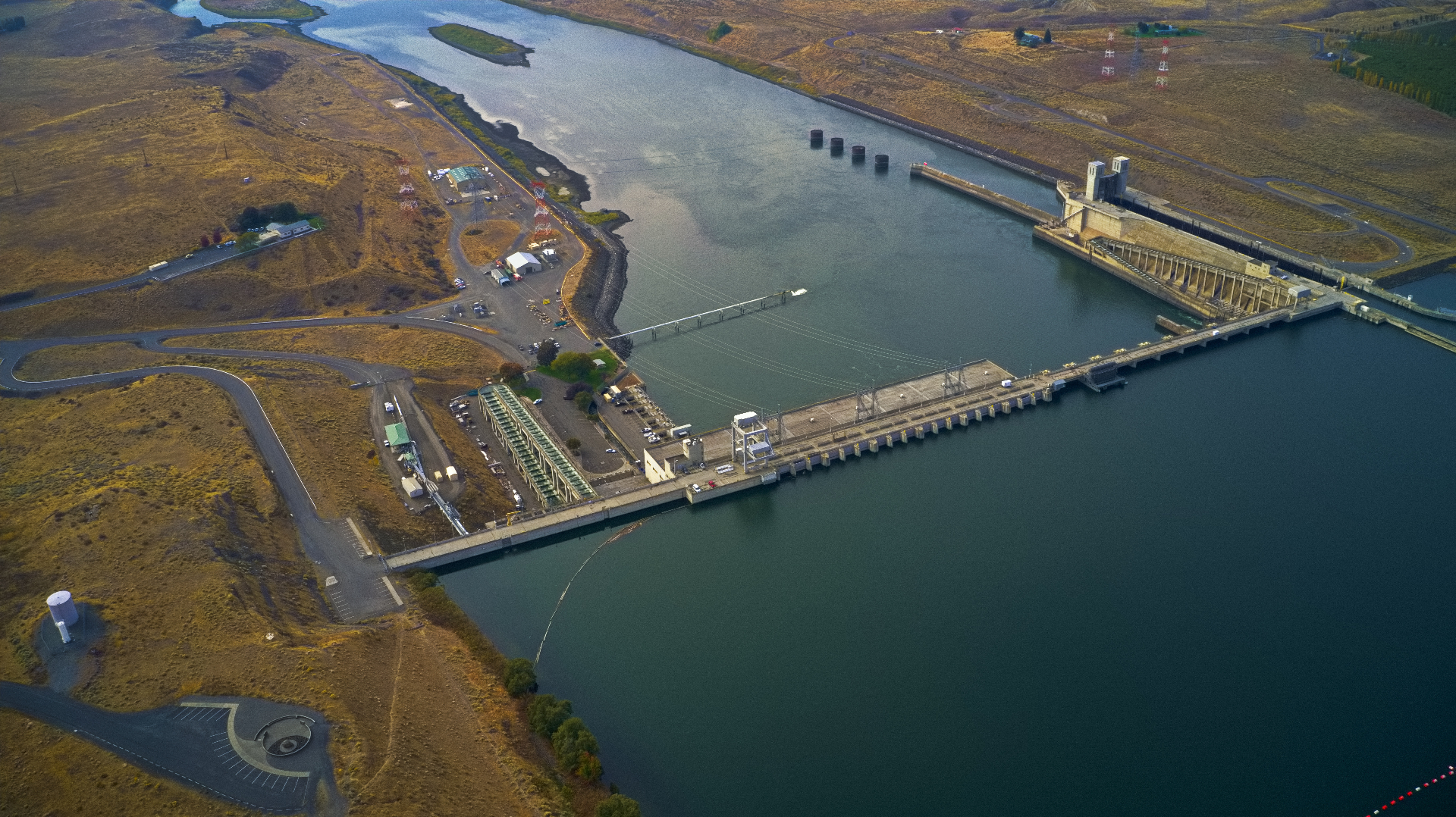
Hydroelectric dams in the Columbia River Basin supply roughly half of all the electricity the Northwest uses — clean, low-cost power that's available around the clock and keeps homes and businesses running across the region.
- 3
A federal court order has forced eight hydropower dams to generate less electricity.
The ruling cuts how much electricity the federal dams can produce. That wastes one of the region's cleanest, cheapest resources — and pushes power bills up.
- 4
Who does this impact? The one million Oregonians who are customers of Oregon's consumer-owned utilities (COUs).
The 6-7% increase in electricity costs does not impact customers of Portland General Electric (PGE), Pacific Power, or Idaho Power. Want to know if your utility is impacted? Check out our Impacted Utilities page for more information.
- 5
Someone has to replace that lost electricity.
The Bonneville Power Administration (BPA) – who serves Oregon's COUs – would have to buy replacement power from other suppliers to keep the lights on – often at much higher prices, and often from dirtier sources.
- 6
The price tag according to BPA: $100–$125 million in additional costs.
And it's Northwest consumer-owned utility customers — families, businesses, and whole communities — who foot the bill.
- 7
The case is now before a federal appeals court.
The Ninth Circuit's decision will shape Northwest power bills, grid reliability, and emissions for years to come.